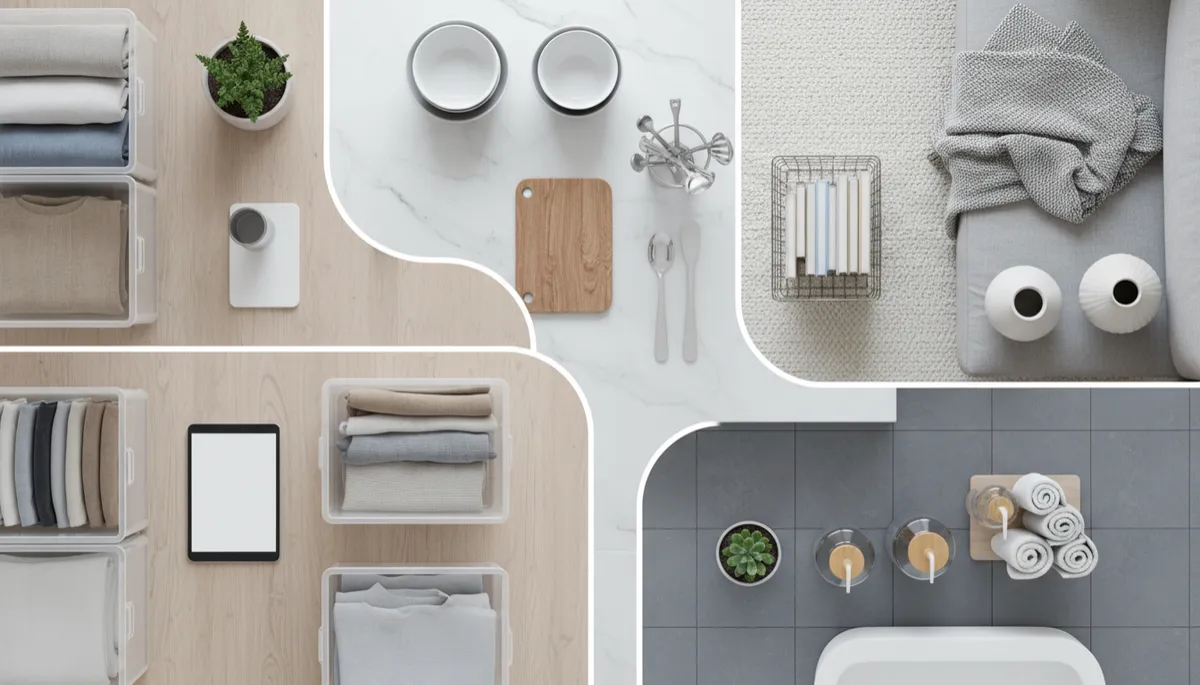
Room-by-Room Decluttering & Depersonalizing Guide
Home Organizing, Decluttering, Staging
Decluttering and Depersonalizing: A Room-by-Room Guide
Whether you are preparing to sell your home, getting ready for guests, or simply craving a calmer space, decluttering and depersonalizing can completely transform how your home feels. This practical, room-by-room guide will help you make confident decisions, reduce visual noise, and create spaces that feel welcoming to anyone who walks through the door—including you.
Decluttering vs. Depersonalizing: What’s the Difference?
The two terms are often used together, but they are not the same. Understanding the difference will make every decision easier as you move from room to room.
Decluttering is about how much you have. It means removing excess items, duplicates, and things that no longer serve you so that surfaces are clear, storage is manageable, and each room can function the way it’s meant to.
Depersonalizing is about what you display. It means taking away highly personal items—family photos, collections, bold taste-specific decor—so that the space feels more neutral and universally appealing, especially important if you are selling or renting.
💡 Pro Tip: Declutter first, then depersonalize. It’s much easier to decide what personal touches to remove once the excess has already been cleared.
Step One: Set Up a Simple Sorting System
Before you tackle any room, create a basic system so you’re not making the same decision multiple times. Use four categories:
Keep: Items you use, love, and have space to store neatly.
Donate/Sell: Items in good condition that no longer fit your life or style.
Trash/Recycle: Broken, stained, or expired items that can’t be reused.
Store Elsewhere: Sentimental or seasonal items you want to keep but don’t need on display.
Label bags or boxes for each category and keep them nearby as you move from room to room. This prevents “maybe piles” from taking over and keeps the momentum going.
Entryway and Hallways: First Impressions Matter
Your entryway sets the tone for the entire home. A cluttered, coat-laden hallway immediately feels cramped and chaotic, while a streamlined one feels calm and inviting.
Decluttering the Entry
Remove out-of-season coats, shoes, and accessories. Store them in a closet or under-bed boxes elsewhere.
Limit each family member to one pair of shoes and one coat in the entry for daily use.
Clear surfaces: mail piles, random keys, and dropped items should either be given a dedicated spot or removed.
Depersonalizing the Entry
Replace a busy gallery of family photos with a single neutral artwork or mirror.
Choose a simple, neutral rug and minimal decor on the console table—think one bowl for keys and a small plant or candle.
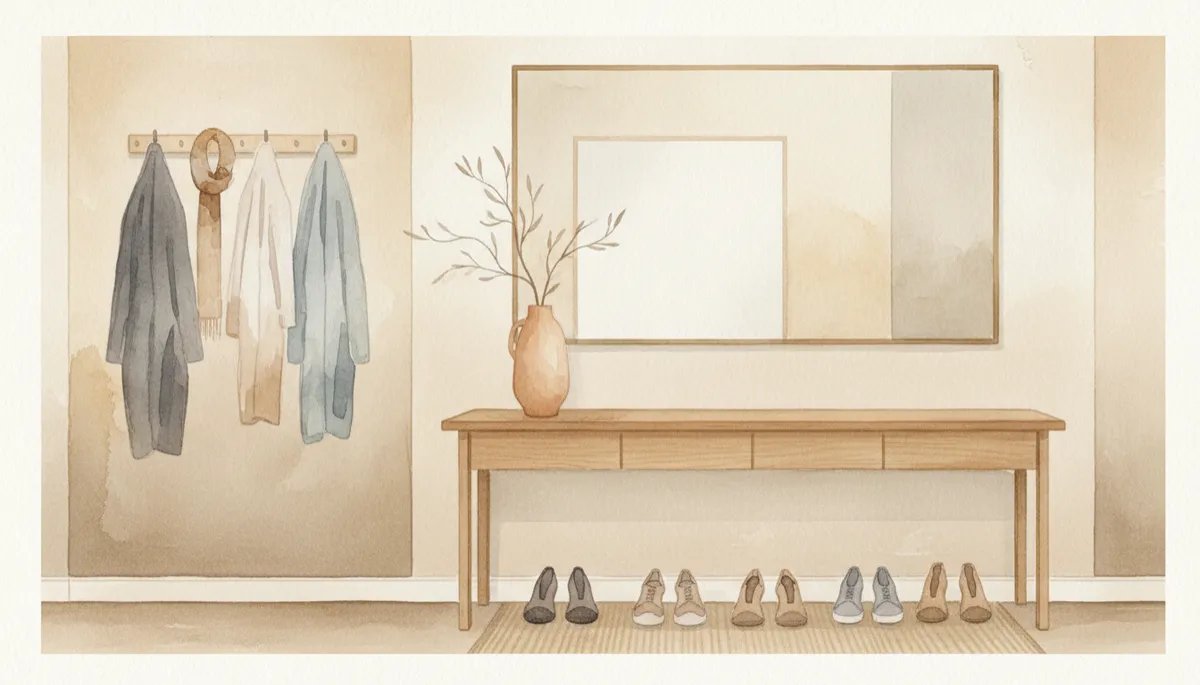
A calm, uncluttered entry instantly makes your home feel more spacious.
Living Room: Clear Surfaces, Calm Mind
The living room is where most people gather, which also means it easily collects the most clutter. The goal here is to create an open, comfortable space where the eye can rest instead of bouncing between piles and personal items.
Decluttering the Living Room
Start with flat surfaces: coffee tables, side tables, TV stands, and shelves. Remove anything that doesn’t belong, such as mail, toys, and old magazines.
Edit down books, decorative objects, and throw pillows. Keep only what you truly like and what fits comfortably without crowding.
Contain everyday items in baskets or lidded boxes, especially remotes, chargers, and kids’ toys.
Depersonalizing the Living Room
Take down family portraits, school photos, and personalized artwork. Temporarily store them in labeled boxes for your next home or future display.
Simplify bold or theme-heavy decor—for example, replace a collection of sports memorabilia with one tasteful piece or neutral artwork.
Use a cohesive color palette of neutrals with one or two accent colors to keep the space feeling unified and calm.
💡 Pro Tip: Take a photo of the living room from the doorway. The camera often reveals visual clutter you no longer notice in daily life.
Kitchen and Dining: Function First, Style Second
Kitchens are workspaces, and buyers or guests want to imagine themselves cooking and gathering there. Clear counters and organized cabinets send a powerful message that the space is easy to live in and maintain.
Decluttering the Kitchen
Empty one cabinet or drawer at a time. Remove duplicates (how many spatulas do you really need?) and donate rarely used gadgets.
Clear the countertops almost completely. Keep out only daily essentials, such as a coffee maker or toaster, and even those should be grouped neatly.
Check the pantry and fridge for expired food and half-used items you know you won’t finish. Toss or compost as appropriate.
Depersonalizing Kitchen and Dining Areas
Remove personal notes, children’s drawings, and magnets from the refrigerator. Store sentimental pieces in a folder instead of on display.
Choose neutral table linens and simple place settings. A single centerpiece—like a bowl of fruit or a small vase of flowers—is enough.
Bedrooms: From Personal Sanctuary to Universal Retreat
Bedrooms should feel restful, but they often double as storage zones. When you’re decluttering and depersonalizing, the aim is to keep comfort while removing anything that distracts from rest or makes the room feel smaller.
Decluttering Bedrooms and Closets
Clear nightstands and dressers of excess books, lotions, jewelry, and electronics. Keep only a lamp, a book, and perhaps one decorative item.
Tackle the closet with honesty. Donate clothes that no longer fit your body or lifestyle, and store off-season items in bins.
Remove visible storage from under the bed if possible; it can make the room feel crowded and less serene.
Depersonalizing Bedrooms
Take down name signs, wedding collages, and deeply personal artwork. Replace with simple, neutral prints or leave walls mostly bare.
Choose neutral bedding in solid or subtle patterns. This instantly makes the room feel like a hotel—welcoming to anyone.
💡 Pro Tip: If you’re overwhelmed, start with the bed. A neatly made, simple bed immediately improves the whole room and motivates you to keep going.
Bathrooms: Small Spaces, Big Impact
Bathrooms are among the smallest rooms but leave a strong impression. A clutter-free, depersonalized bathroom feels clean and spa-like, even if the finishes are basic.
Discard expired products, nearly empty bottles, and items you rarely use. Aim to keep only daily essentials within reach.
Clear countertops, leaving perhaps a soap dispenser and one decorative item. Store everything else in drawers, cabinets, or baskets.
Remove personal medications and private items from sight. Not only does this depersonalize, it also protects your privacy.
Bonus Spaces: Home Office, Kids’ Rooms, and Storage Areas
Home Office
File or shred loose papers. Use labeled folders or boxes for anything that must stay.
Hide cords where possible and clear the desk surface, leaving only a computer, lamp, and one or two neutral accessories.
Kids’ Rooms and Play Areas
Involve older children in choosing which toys to keep, donate, or store. Aim for fewer toys on display and more in bins or baskets.
Remove name plaques and highly specific themed decor if you’re staging for sale; keep colors cheerful but not overwhelming.
Storage Areas and Garage
Group like items together—tools with tools, sports gear with sports gear, seasonal decor with seasonal decor—and label containers clearly.
Let go of “just in case” items you haven’t used in years. Extra space in storage areas suggests a home with ample room.
Maintaining Your Newly Simplified Home
Decluttering and depersonalizing is a project, but it doesn’t have to be a one-time event. A few simple habits will help you maintain the calm, neutral feel you’ve created:
Practice the “one in, one out” rule for decor, clothing, and kitchen items to prevent new clutter from building up.
Do a quick five-minute tidy at the end of each day, returning items to their designated homes.
Schedule a seasonal review of closets, cabinets, and storage spaces to keep them from overflowing again.
Final Thoughts: Creating Space for What Matters
Decluttering and depersonalizing is not about stripping your home of character or living in a showroom. It’s about intentionally choosing what deserves space in your life and on your shelves. By clearing excess and softening personal touches, you create rooms that feel lighter, larger, and more flexible—whether that’s for potential buyers, visiting guests, or simply a more peaceful everyday experience for yourself.
Start with one room, or even one surface, and apply the principles of decluttering and depersonalizing step by step. As you move from the entryway to the living room, kitchen, bedrooms, and beyond, you’ll not only transform how your home looks, but also how it feels to live in it. The reward is a home that reflects your best self—calm, organized, and ready for whatever comes next.
Still have questions? Let's schedule a quick 15 minute call to discuss your needs https://calendly.com/bnhre/new-meeting.
Get your COMPLIMENTARY Home Valuation and Home Selling Guide at timbeary.realtor