
Home Warranty: What It Covers and What It Doesn’t
Home Warranty, Asset Protection, Homeowners
Asset Protection: What Your Home Warranty Actually Covers (and What It Doesn’t)
A home warranty can be a smart layer of protection for your budget, but only if you understand exactly what it promises to repair or replace—and what costs will still come out of your pocket.
What Your Home Warranty Actually Covers
A home warranty is not the same as homeowners insurance. Insurance generally covers damage from events like fire, storms, or theft. A home warranty, on the other hand, focuses on the normal wear and tear of major systems and appliances inside your home. The goal is to protect you from sudden, budget-busting repair or replacement bills when something essential stops working.
Exact coverage varies by provider and plan, but most standard home warranty contracts typically include:
Major home systems: Heating, air conditioning, ductwork, electrical systems, and plumbing lines within the home’s foundation are often covered if they fail due to normal use.
Kitchen appliances: Built-in microwaves, ovens, ranges, dishwashers, and sometimes refrigerators are commonly included in appliance packages.
Laundry appliances: Washers and dryers may be covered, especially in more comprehensive plans.
Water heaters and sometimes sump pumps: These are high-impact items that many homeowners struggle to replace out of pocket, so they are frequently included.
When a covered item breaks down, you typically pay a fixed service fee (sometimes called a trade call fee), and the warranty company sends a contractor to diagnose and repair the issue. If the item cannot be repaired, your plan may contribute toward a replacement, up to a stated dollar limit. This predictability—knowing you will owe a set fee instead of a surprise $2,000 bill—is the main asset-protection benefit of a home warranty.
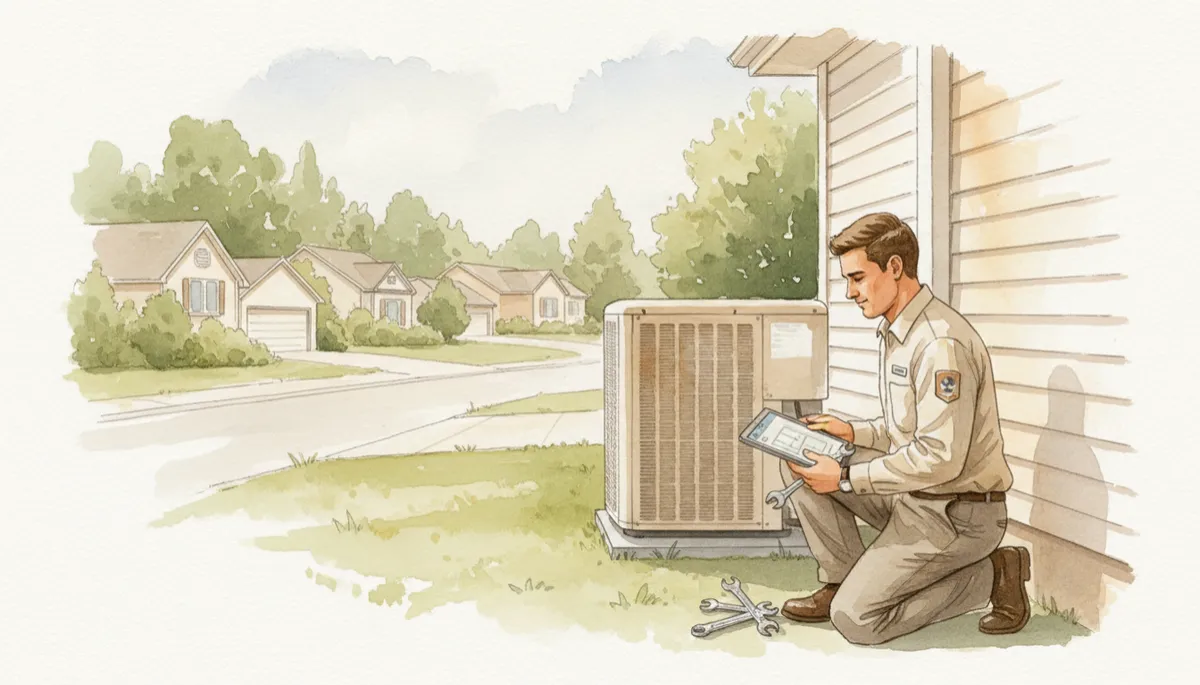
A predictable service fee can soften the financial blow of major system failures.
What Your Home Warranty Usually Doesn’t Cover
Just as important as knowing what is covered is understanding what is not. Many homeowners feel disappointed with their home warranty only because they never read the exclusions. Common gaps include:
Pre-existing conditions: If the home system or appliance was already broken, improperly installed, or clearly failing before coverage began, the company can deny the claim as a pre-existing issue.
Improper maintenance or misuse: Skipping filter changes, ignoring leaks, or overloading appliances can void coverage if the technician believes poor maintenance caused the failure.
Cosmetic issues: Rust, dents, scratches, or noise problems that do not affect basic function are typically excluded, even if they bother you daily.
Structural elements: Your roof, windows, walls, and foundation are usually outside the scope of a standard home warranty and fall under homeowners insurance or separate coverage.
Non-essential extras: Items like pools, spas, well pumps, septic systems, or second refrigerators are often add-ons that require additional fees, if they are offered at all.
Even when something is covered, your contract will likely include coverage caps—maximum amounts the company will pay per system, per appliance, or per year. You may be responsible for costs beyond those limits, as well as code upgrades, permits, or modifications needed to fit a newer model into an older home.
How to Use a Home Warranty as Real Asset Protection
A home warranty can be a useful tool in your overall asset-protection strategy, especially if you own an older home or do not have a large emergency fund. To get the most value, treat your plan like any other contract: read it carefully, ask questions about gray areas, and compare coverage limits across providers. Keep proof of regular maintenance, and report issues as soon as you notice them rather than waiting for a complete breakdown.
Ultimately, a home warranty is not a magic shield that covers everything, but it can be a practical way to smooth out unpredictable repair costs. When you understand clearly what it actually covers—and what it doesn’t, you can decide whether a plan truly supports your financial goals or whether you are better off setting that money aside in your own home maintenance fund.
Still have questions? Let's schedule a quick 15 minute call to discuss your needs https://calendly.com/bnhre/new-meeting.
Get your COMPLIMENTARY Home Valuation and Home Selling Guide at timbeary.realtor