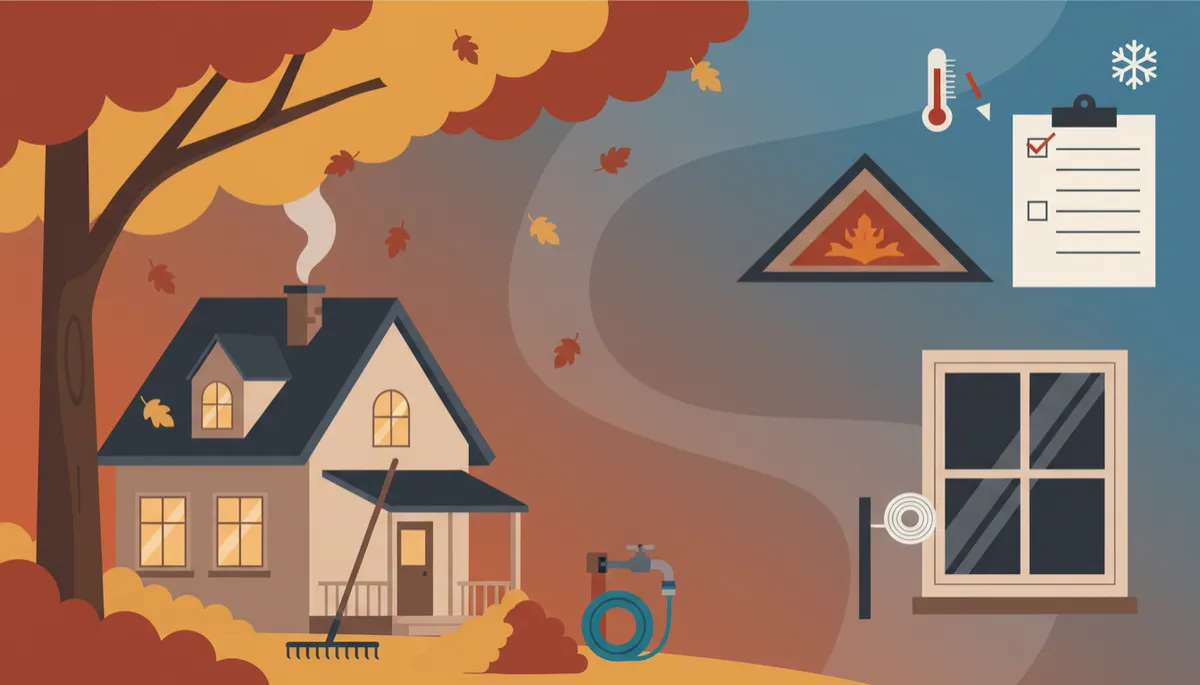
October Home Checklist: Prepare for Cold Weather
Home Maintenance, Seasonal Checklist
The October Homeowner Checklist: 10 Things to Do Before the First Cold Front
As temperatures start to dip and the days get shorter, October is the perfect moment to get your home ready for the first cold front. A little preparation now can prevent surprise repairs, high utility bills, and uncomfortable nights later. Use this October homeowner checklist of ten essential tasks to keep your home safe, warm, and energy‑efficient all season long.
1. Service Your Heating System Before You Need It
When the first cold front hits, the last thing you want is a furnace that won’t turn on. October is the ideal time to schedule a professional inspection for your heating system, whether you use a gas furnace, heat pump, or boiler. A technician can clean internal components, check safety controls, and confirm that everything is operating efficiently before your system is working full‑time.
At a minimum, replace or clean your furnace filter so air can move freely. A clogged filter forces your system to work harder, driving up your energy bills and shortening the life of the equipment. Mark your calendar to check the filter every one to three months during the heating season, depending on your filter type and whether you have pets or allergy concerns.
💡 Pro Tip: Turn on your heat for a short test run in October. If you notice unusual smells, noises, or no warm air at all, you’ll have time to address the issue before temperatures plunge.
2. Seal Drafts Around Windows and Doors
Even a small draft can make a room feel chilly and waste a surprising amount of energy. Walk around your home on a breezy October day and check for air leaks around window frames, door frames, and baseboards. You can use the back of your hand or a lit stick of incense (carefully) to detect moving air near gaps and cracks.
Add fresh weatherstripping to exterior doors, seal gaps with caulk around window trim, and consider using draft stoppers at the bottom of doors that lead to unheated spaces. For older, single‑pane windows, inexpensive plastic insulation kits can add an extra layer of protection and comfort through the coldest months.
3. Clean Gutters and Downspouts Before Heavy Rains
As leaves fall, they quickly collect in gutters and downspouts. If blockages are left in place, rain and melting snow can overflow, damaging siding, trim, and even your home’s foundation. October is the time to climb a sturdy ladder (or hire a professional) and clear out debris so water can flow freely away from your house.
While you’re up there, check that downspouts extend several feet away from the foundation and are not crushed or disconnected. Adding simple extensions can help direct water away from your basement or crawl space, reducing the risk of moisture problems when storms arrive with that first cold front.
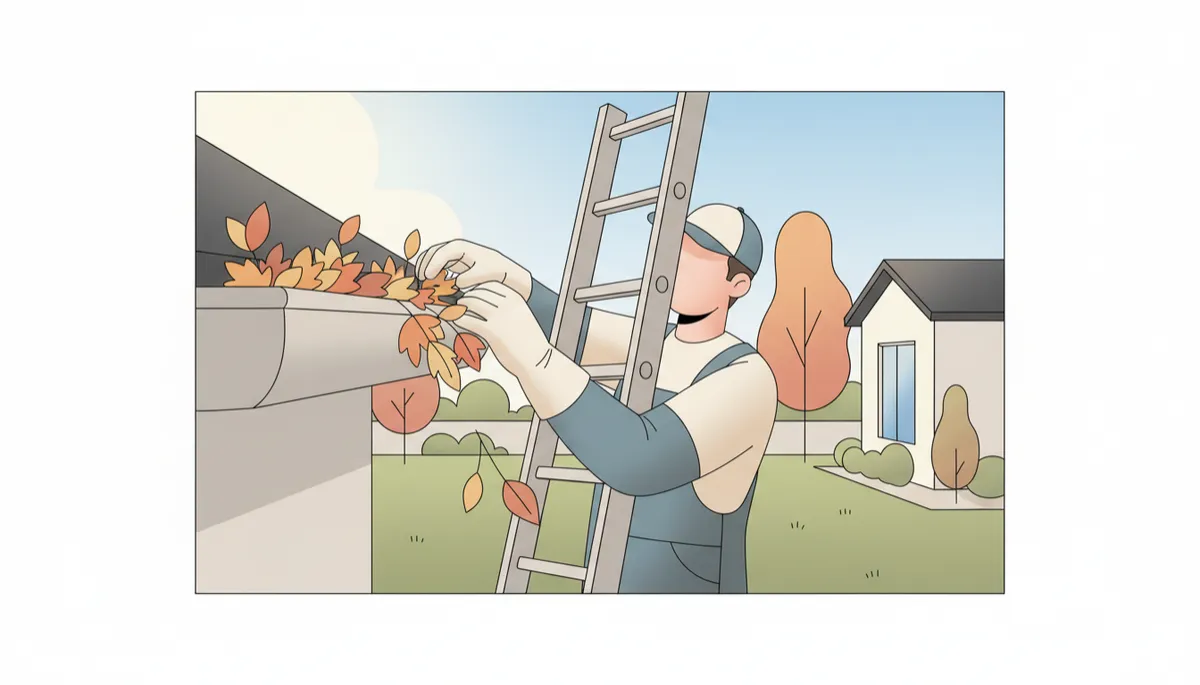
A clean gutter system protects your roof, siding, and foundation all winter long.
4. Protect Outdoor Plumbing From Freezing Temperatures
A burst pipe is one of the most expensive and disruptive cold‑weather surprises. Before the first hard freeze, disconnect garden hoses, drain them, and store them in a shed or garage. Shut off and drain any exterior‑only water lines, such as those for sprinklers or outdoor sinks, according to your system’s instructions.
If your home has older hose bibs that are not frost‑free, add insulated covers once the water is shut off. In vulnerable areas like unheated basements, crawl spaces, or garages, wrap exposed pipes with foam insulation sleeves. These inexpensive steps can help you avoid leaks, water damage, and emergency plumber visits in the middle of winter.
5. Test Smoke and Carbon Monoxide Detectors
As windows stay closed and heating equipment runs more often, October is a crucial time to review your home’s safety devices. Press the test button on every smoke and carbon monoxide detector to confirm they are working properly. Replace batteries in any units that chirp or fail the test, and note the replacement date on the inside of the cover or in your phone.
If your home uses gas or oil for heating, or if you have an attached garage, carbon monoxide detectors are especially important. Make sure you have one on every level of your home and near sleeping areas. Replace detectors that are more than seven to ten years old, following the manufacturer’s guidance printed on the unit.
📌 Key Takeaway: Pair your October checklist with a standing reminder to test alarms at least twice a year—when seasons change, your safety checks should too.
6. Reverse Ceiling Fans and Refresh Airflow
Many ceiling fans have a small switch on the motor housing that changes the direction of the blades. In warmer months, fans should spin counterclockwise to create a cooling breeze. In cooler months, reversing them to a gentle clockwise direction pushes warm air that collects near the ceiling back down into the room, improving comfort without raising the thermostat.
While you’re adjusting the setting, dust the blades and light fixtures. Cleaner fans distribute less dust through your home and operate more efficiently. This simple October task can make living areas feel warmer on chilly evenings, especially in rooms with high or vaulted ceilings.
7. Inspect Your Roof and Attic for Trouble Spots
October’s mild weather is the right time to give your roof and attic a careful once‑over. From the ground, use binoculars to look for missing, curling, or damaged shingles, as well as metal flashing that appears loose or rusted. Inside the attic, check for signs of moisture, such as dark stains on wood, damp insulation, or a musty smell.
Addressing minor roof issues before snow, ice, and strong winds arrive can prevent leaks and costly repairs later in the season. If you are not comfortable walking on your roof, consider hiring a roofing professional for a quick inspection and minor maintenance, such as sealing nail pops or replacing a few damaged shingles.
8. Prepare Your Yard, Trees, and Outdoor Equipment
The first cold front often brings strong winds that can break weak limbs and scatter debris. Walk your property and look for dead or overhanging branches near your roof, driveway, or power lines. Have a certified arborist trim any risky limbs and assess the health of large trees close to your home to reduce the chance of storm damage.
October is also the time to winterize outdoor equipment. Run your lawn mower until the fuel tank is nearly empty or add a fuel stabilizer so gas does not break down over the winter. Clean and cover your grill, bring cushions and delicate décor indoors, and store gardening tools in a dry place. These small steps help your outdoor investments last longer and look better when spring returns.
9. Check Weatherstripping and Insulation in Key Areas
Beyond windows and doors, there are other hidden spots where warm air can escape. In October, take a look at the access door to your attic, the hatch to your crawl space, and any pull‑down stairs. If these areas feel noticeably colder or draftier than the rest of the house, consider adding insulation or a weatherstripped cover designed for these openings.
You don’t have to tackle an entire insulation upgrade at once. Start with the easiest wins: sealing gaps around plumbing penetrations, electrical outlets on exterior walls, and the area where your foundation meets the framing. Over time, these improvements can make your home feel more comfortable and reduce heating costs throughout the winter.
10. Get Cozy Indoors: Linens, Lighting, and Emergency Supplies
Finally, round out your October homeowner checklist with a few comfort and safety upgrades inside. Wash and rotate in your heavier bedding, extra blankets, and flannel sheets so they are ready for that first unexpectedly cold night. Swap out lightweight curtains for thicker panels in drafty rooms to help keep warmth in and cold out.
As days grow shorter, check your indoor and outdoor lighting. Replace dim or burnt‑out bulbs, especially near entryways and walkways, to make dark evenings safer. Take a moment to review your emergency supplies as well: flashlights with fresh batteries, a basic first‑aid kit, and a stash of bottled water and nonperishable food can provide peace of mind if a winter storm knocks out power or makes roads impassable for a day or two.
💡 Pro Tip: Keep a small bin labeled “Storm Night” with candles, matches, board games, and snacks so power outages feel more like a planned cozy evening than an inconvenience.
Turning Your October Checklist Into a Yearly Habit
The beauty of an October homeowner checklist is that it turns scattered chores into a simple, repeatable routine. By tackling these ten tasks before the first cold front, you protect your home from weather‑related damage, stretch your energy dollars further, and create a more comfortable living space for the months ahead. Instead of reacting to problems in the middle of winter, you’re calmly preparing for them while the weather is still cooperative.
Consider printing this checklist or saving it in a notes app, then setting a recurring reminder at the start of October each year. Over time, these small, consistent efforts add up to fewer emergency repairs, a safer home, and a cozy retreat you can truly enjoy when cold air finally sweeps in. With a plan in place, you can welcome that first chilly breeze knowing your home is ready for whatever the season brings.
Would you like a list of our Preferred Partners to assist you? Send us an email - [email protected]
Get your COMPLIMENTARY Home Valuation and Home Selling Guide at timbeary.realtor