Pre-Listing Checklist: Essential Fixes for Home Selling
Real Estate, Home Selling
The Pre-Listing Checklist: What to Fix, What to Skip
Getting your home ready to sell doesn’t have to mean a full renovation. The real art is knowing which fixes actually help your bottom line—and which projects you can confidently skip. Use this practical pre-listing checklist to focus your time, money, and energy where it truly counts.
What to Fix Before You List
Buyers rarely expect perfection, but they do expect a home that feels well‑cared‑for. The goal is to remove red flags and distractions so people can focus on the value of the home itself—not the to‑do list it comes with. Start with these high‑impact fixes.
1. Visible wear and tear
Anything a buyer can see in the first few minutes of a showing should be addressed. These are simple, relatively inexpensive items that quietly signal “this home has been maintained.”
Touch up chipped or scuffed paint on walls, doors, and trim.
Repair damaged drywall, nail pops, and cracked outlet covers.
Tighten loose doorknobs, cabinet handles, and squeaky hinges.
💡 Pro Tip: Walk through your home as if you’re a buyer seeing it for the first time—what catches your eye in the first 60 seconds usually tops the fix list.
2. Safety and basic function
Anything that feels unsafe or clearly broken can scare buyers away or give them leverage to negotiate aggressively. Fixing these items upfront often costs less than a last‑minute credit after the home inspection.
Replace missing or dead smoke and carbon monoxide detectors.
Address loose handrails, broken steps, or unstable deck boards.
Fix dripping faucets, running toilets, and outlets or switches that don’t work.
3. Minor cosmetic updates with big payoff
You don’t need a full remodel to make your home look current. A few strategic updates can freshen the entire space and photograph beautifully for online listings.
Paint in neutral tones. Soft whites, greiges, and light taupes appeal to the widest audience and make rooms feel bigger and brighter.
Update dated hardware. Swapping old brass knobs or mismatched pulls for simple, modern hardware can instantly modernize kitchens and baths.
Improve lighting. Replace burnt‑out bulbs, choose warm white light, and add inexpensive fixtures where rooms feel dark.
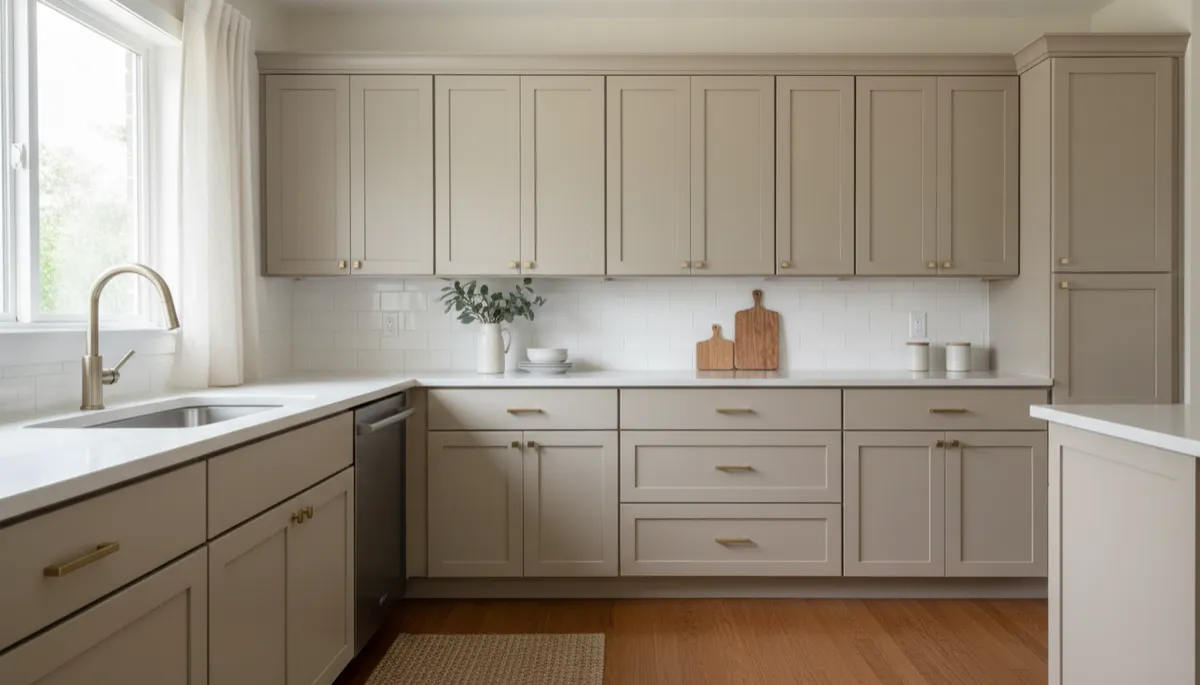
Modest cosmetic updates often photograph like a full makeover in online listings.
4. Curb appeal and first impressions
Buyers form an opinion before they even walk through the door. Simple exterior improvements can set a positive tone for the entire showing.
Mow the lawn, edge walkways, and trim overgrown shrubs or trees.
Power‑wash siding, steps, and driveways where grime is visible.
Repaint or clean the front door and add a fresh doormat.
What to Skip (and Save Your Money On)
Not every project pays off—especially right before listing. Some upgrades simply won’t return their cost, while others might actually turn buyers off. Here’s where you can usually hold back.
1. Major remodels right before selling
A brand‑new kitchen or bathroom can be tempting, but large renovations are expensive and highly personal. Buyers may prefer to choose their own finishes, and you may not recover what you spend in a short time frame. Instead, focus on making existing spaces clean, functional, and neutral.
2. Over‑personalized upgrades
Projects that reflect very specific tastes—like bold accent walls, custom built‑ins tailored to your hobbies, or high‑end luxury fixtures—rarely appeal to the broad buyer pool. If a change won’t clearly improve function or wide‑appeal style, it’s usually best to skip it and let the next owner customize.
3. Replacing everything that’s simply “not brand‑new”
Older doesn’t always mean “must replace.” If your appliances, windows, or roof are aging but still in good working order, you don’t necessarily need to install new ones just to list. Be honest on disclosure forms and price the home accordingly; many buyers are comfortable budgeting for future upgrades if the home is otherwise well cared for.
4. Highly specific landscaping projects
Elaborate gardens, expensive outdoor kitchens, or complex water features might delight a few buyers, but many will see maintenance and cost. Keep outdoor improvements simple: tidy, green, and low‑maintenance usually wins over intricate or high‑end additions done at the last minute.
How to Prioritize Your Pre-Listing To‑Do List
When in doubt, use three questions to decide whether to fix or skip an item:
Will buyers notice it immediately? If yes, it’s more likely worth addressing.
Does it affect safety or basic function? Those items almost always belong on the fix list.
Will I likely recoup the cost in my sale price? If not, you may be better off skipping and adjusting your price.
A trusted real estate agent can help you walk through your home with a buyer’s eye and local market knowledge. In some hot markets, you may be able to skip more cosmetic work; in slower markets, strategic fixes can make your listing stand out.
The Bottom Line
Preparing to sell doesn’t mean pouring money into every possible upgrade. Focus on repairs that protect safety, improve first impressions, and remove obvious objections. Skip major, highly personal, or low‑return projects right before listing. With a thoughtful pre‑listing checklist, you can present a home that feels move‑in ready, photographs beautifully, and lets buyers imagine their future there—without draining your budget in the process.
Still have questions? Let's schedule a quick 15 minute call to discuss your needs https://calendly.com/bnhre/new-meeting.
Get your COMPLIMENTARY Home Valuation and Home Selling Guide at timbeary.realtor