Roof Inspection Checklist: Prevent Costly Repairs
Home Maintenance, Roof Inspection
Roof Inspection Checklist: Catching Small Problems Before They Become Big Ones
A simple, regular roof inspection can be the difference between a quick, low‑cost fix and a stressful, expensive leak. Use this practical checklist to spot small issues early and protect your home for the long term.
Why Routine Roof Inspections Matter
Your roof quietly shields everything you care about from rain, wind, sun, and snow. Over time, that constant exposure leads to wear and tear. Small problems—like a cracked shingle or loose flashing—often show up long before a major leak. If you know what to look for, you can address these issues early, usually for a fraction of the cost of major repairs or a premature replacement.
For most homes, a basic roof inspection twice a year—once in spring and once in fall—is enough. You should also check your roof after severe storms with high winds, heavy rain, or hail. The checklist below focuses on what you can safely observe from the ground, upper windows, or a sturdy ladder, and when it is time to call a professional.
Exterior Roof Inspection Checklist
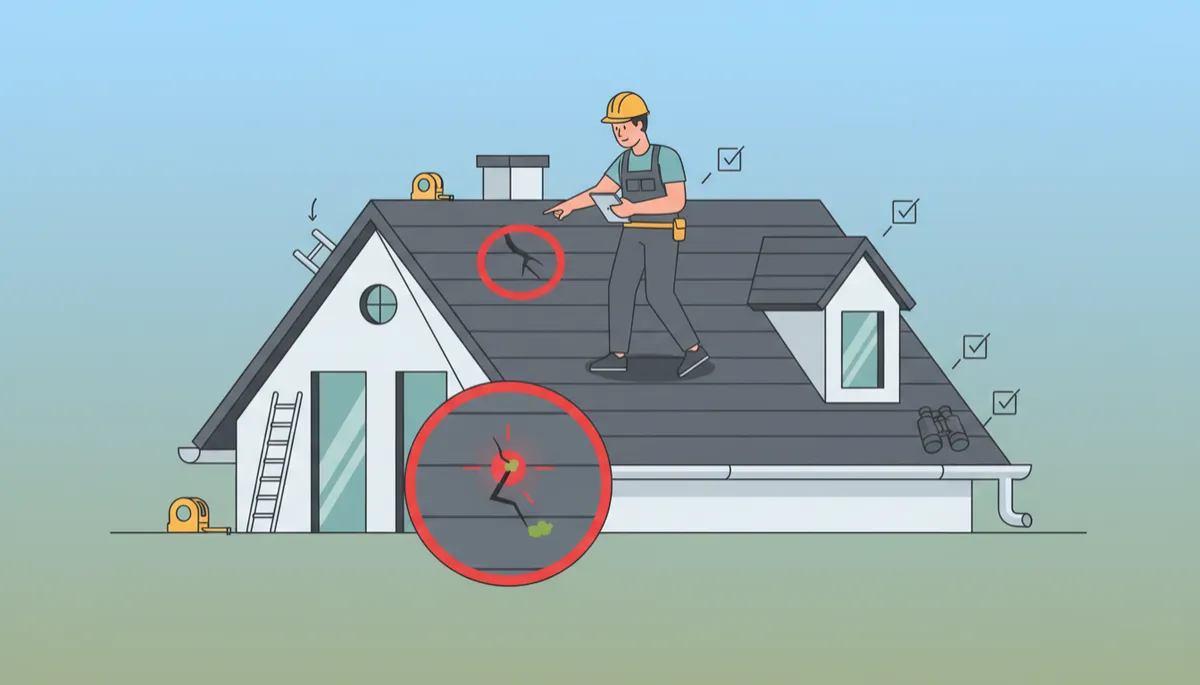
Shingles or tiles: Look for missing, cracked, curled, or broken pieces. A few damaged shingles today can become an entry point for water tomorrow, especially around roof edges and valleys where water naturally flows.
Granule loss: On asphalt roofs, check your gutters and the ground below downspouts for piles of tiny shingle granules. Excessive granule loss is an early sign that shingles are aging and may fail sooner than expected.
Flashing and seals: Inspect the metal flashing around chimneys, skylights, vents, and where the roof meets walls. Bent, rusted, or lifting flashing, or dried and cracked sealant, can allow water to sneak in at these vulnerable joints.
Gutters and downspouts: Make sure they are securely attached, free of debris, and draining away from the foundation. Clogged gutters can push water back under the roof edge, causing hidden rot in fascia boards and roof decking.
Sagging or uneven areas: Scan the roofline for dips or waves. These can indicate moisture-damaged decking or structural problems that need prompt professional attention before they spread.
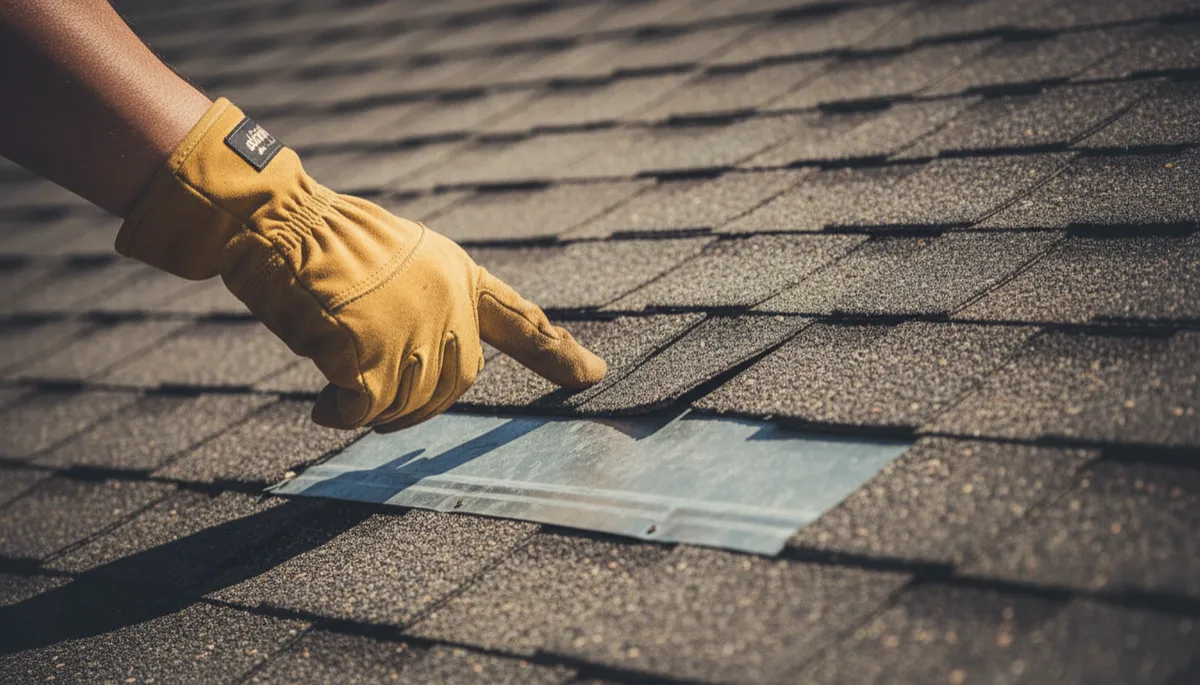
Small cracks and loose flashing, if ignored, can evolve into major leaks.
Interior and Attic Checks for Hidden Issues
Not all roof problems are visible from outside. The inside of your home often reveals early warning signs. Walk through rooms directly under the roof and look for:
Water stains on ceilings or walls: Yellow or brown spots, peeling paint, or bubbling drywall can indicate slow leaks that may have been present for months.
Musty odors: Persistent damp smells, especially in the attic, may suggest trapped moisture, mold growth, or poor ventilation affecting your roof structure and insulation.
If it is safe to enter your attic, use a flashlight to inspect the underside of the roof. Look for darkened wood, damp insulation, visible mold, or pinpoints of daylight where there should be none. These subtle clues are your chance to catch small problems before they become widespread damage.
When to DIY and When to Call a Professional
You can safely handle many inspection tasks yourself from the ground or a low ladder, but walking on a roof is risky and can void warranties if done improperly. If you notice missing shingles, damaged flashing, sagging areas, or interior signs of leaks, schedule a professional roof inspection. A roofer can provide photos, explain what is urgent, and suggest repairs that fit your budget.
💡 Pro Tip: Keep a simple roof inspection log with dates, notes, and photos. This record helps you track changes over time and can be valuable when selling your home.
Protecting Your Home by Staying One Step Ahead
A roof rarely fails overnight. Problems build slowly, starting with tiny openings and minor wear. By following a clear roof inspection checklist and watching for early warning signs—both outside and inside—you give yourself the chance to fix small issues before they become big, expensive, and disruptive ones. Set a reminder for your next inspection now, and treat it as a regular part of caring for your home, just like servicing your furnace or cleaning your gutters.
Would you like our recommendations for a roof professional? Just call or text me (817)381-5123.
Get your COMPLIMENTARY Home Valuation and Home Selling Guide at timbeary.realtor