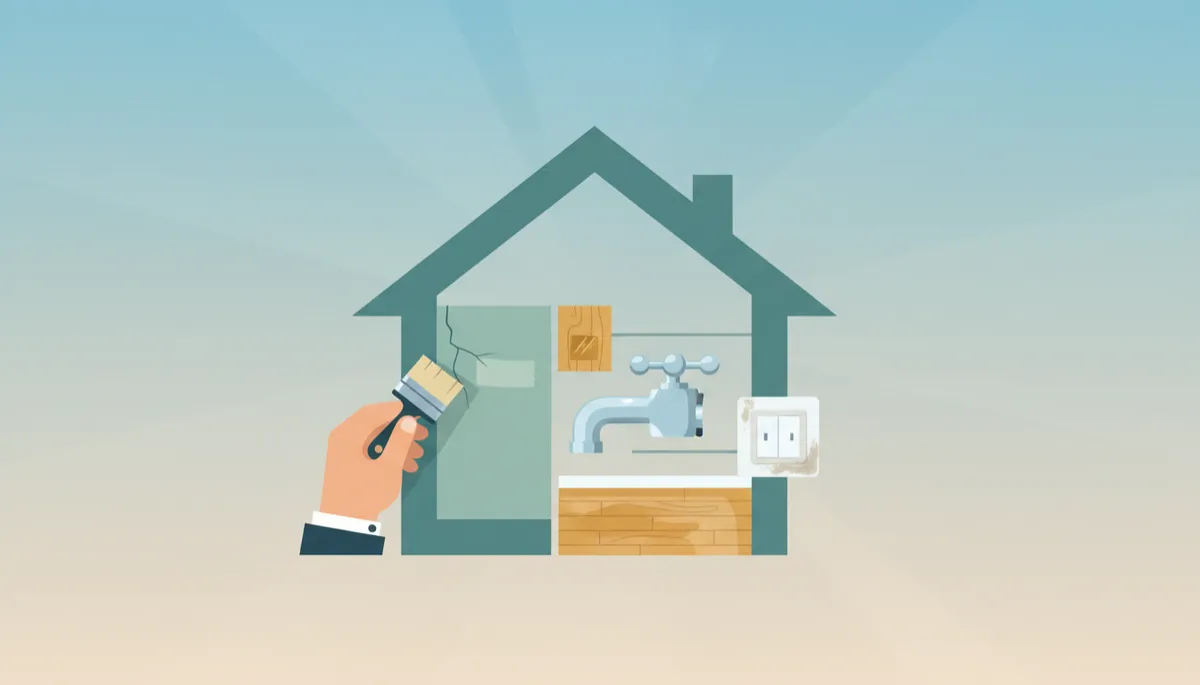
Small Repairs for Big Impact in Home Showings
Real Estate, Home Selling Tips
Small Repairs That Make a Big Difference at Showings
When buyers walk through your front door, they decide how they feel about your home within seconds. The good news? A handful of small, strategic repairs can dramatically improve that first impression without draining your budget or your weekend.
Why Small Repairs Matter So Much
Buyers rarely walk through a home with a clipboard, pricing out every repair. Instead, they react to an overall feeling: Is this place well cared for? Minor issues like loose handles, scuffed walls, or dripping faucets can quietly suggest neglect, even if the home is structurally sound. On the flip side, a house where the little things are handled feels move-in ready and reassuring, which can translate into stronger offers and fewer objections after the showing.
Think of small repairs as stage lighting for your home: they don’t change the set, but they highlight its best features and keep distractions out of the spotlight. Here are the high-impact fixes worth tackling before you open your doors to buyers.
First Impressions: Entryway and Curb Appeal Touch-Ups
The showing starts before buyers even step inside. Small exterior repairs can instantly set a positive tone:
Refresh the front door: Tighten the handle, oil squeaky hinges, and touch up chipped paint or stain. A clean, solid-feeling door signals security and care.
Replace tired hardware: Updating an old, pitted doorknob, house numbers, or mailbox with simple, modern pieces is an inexpensive way to create a polished look from the street.
Patch cracks and clean surfaces: Fill small cracks in steps or walkways and power-wash dirt from siding, railings, and the porch. Clean, safe entry paths put buyers at ease immediately.
Walls, Paint, and Trim: The Fastest Way to Freshen a Room
You don’t have to repaint the entire house to make a space feel refreshed. Focus on the details buyers see at eye level and around doorways as they walk through each room:
Patch nail holes and small dents: A bit of spackle, a sanding sponge, and a paint touch-up can erase years of picture-hanging in an afternoon, giving walls a smoother, newer appearance.
Touch up baseboards and trim: Scuffed white trim is a quiet distraction. Cleaning, caulking gaps, and repainting high-traffic sections instantly tidy up a room’s edges.
Neutralize loud accent walls: If one or two walls are painted in very bold colors, consider repainting them in a soft neutral. This helps buyers focus on the space, not the paint choice.
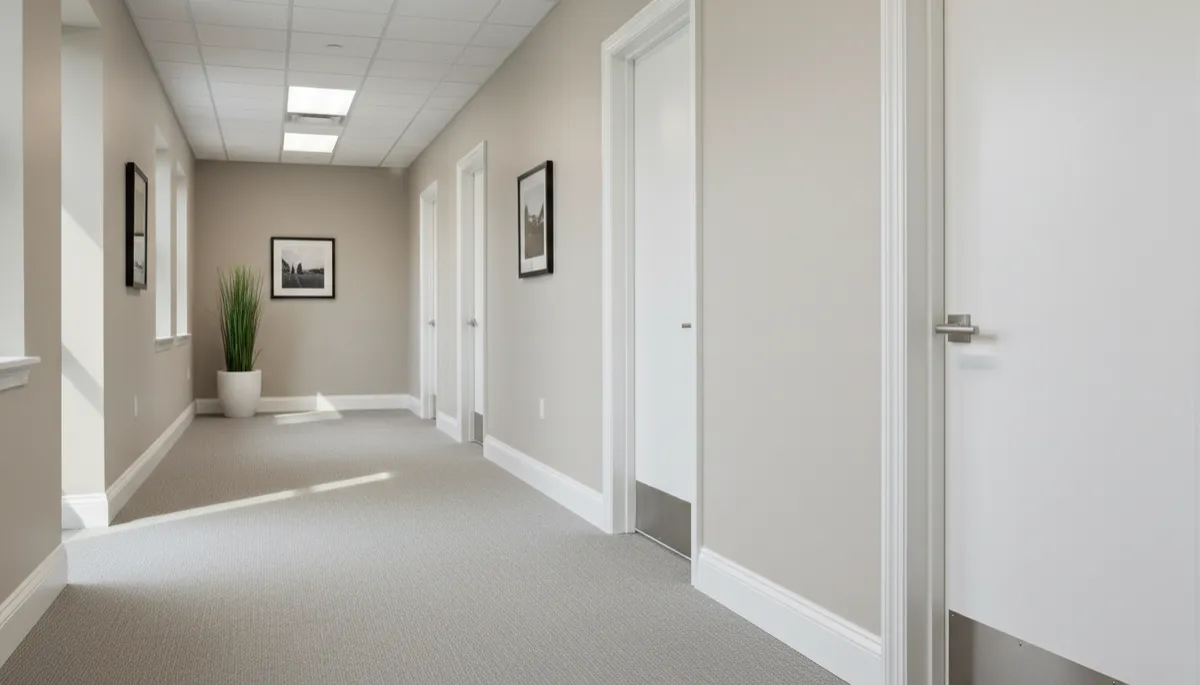
Fresh paint and simple hardware upgrades make everyday spaces feel noticeably more refined.
Fixtures, Hardware, and Lighting: Subtle Updates, Big Perception Shift
The small items you touch every day—handles, switches, and lights—send a strong message about how updated a home feels. Fortunately, many of these pieces are simple to repair or replace:
Tighten or replace loose handles: Wobbly cabinet pulls or door levers can make a home feel worn out. Tightening screws or swapping in affordable, coordinated hardware gives kitchens and baths an instant lift.
Update tired switch plates: Cracked or yellowed light switch and outlet covers stand out more than you think. Replacing them with clean, matching plates is a low-cost, high-visibility fix.
Replace burnt-out bulbs and improve lighting: Make sure every light works and consider using brighter, warm-white bulbs in dark corners. Well-lit rooms feel larger, cleaner, and more welcoming during showings.
Easy Plumbing and Bathroom Fixes Buyers Notice
Bathrooms are small spaces where flaws are hard to hide—and very easy for buyers to remember. A few simple repairs can make them feel cleaner and better maintained:
Fix dripping faucets and running toilets: The sound of dripping water or a constantly running tank suggests hidden plumbing issues. Often, a new washer, flapper, or cartridge solves the problem quickly and cheaply.
Re-caulk tubs and sinks: Discolored or cracked caulk can make even a clean bathroom feel dingy. Removing old caulk and applying a fresh, straight bead around tubs, showers, and backsplashes instantly brightens the space.
Secure loose toilet seats and fixtures: Tighten wobbly toilet seats, towel bars, and TP holders so nothing shifts or rattles when buyers test them.
Doors, Windows, and Floors: Quiet Comfort Buyers Can Feel
Buyers may not consciously notice a smooth-closing door or a floor that doesn’t squeak—but they definitely notice when things feel off. Addressing these subtle issues can make your home feel solid and comfortable:
Silence squeaky hinges and floorboards: A few drops of lubricant on hinges and carefully placed screws or nails in loose boards can quiet distracting noises during showings.
Adjust sticky doors: Planing a tight edge or adjusting strike plates so doors latch smoothly makes the home feel well tuned and secure.
Repair minor flooring flaws: Replacing a cracked tile, securing loose transition strips, or adding a discreet felt pad under a rocking board helps the whole floor feel more solid underfoot.
Putting It All Together Before Your Showing
You don’t need a huge renovation budget to impress buyers. Start with a simple walkthrough of your home, room by room, with a notepad in hand. Look at each space the way a stranger would: listen for squeaks, notice scuffs, test handles, and check lights and faucets. Then, prioritize the quick, inexpensive fixes that remove distractions and highlight how well your home has been cared for.
These small repairs may not be flashy, but together they send a powerful message: this is a home that has been maintained with attention and pride. When showings begin, that quiet confidence can be the difference between a buyer walking away with doubts and walking out ready to make an offer.
Still have questions? Let's schedule a quick 15 minute call to discuss your needs https://calendly.com/bnhre/new-meeting.
Get your COMPLIMENTARY Home Valuation and Home Selling Guide at timbeary.realtor