Smart Home Upgrades That Boost Real Estate Value
Home Improvement, Smart Home, Real Estate Value
Smart Home Upgrades That Increase Value (and Ones That Don’t)
Smart home tech is no longer just a cool party trick. As we move toward 2026, buyers increasingly expect certain connected features, and the right upgrades can make your home more comfortable and more valuable. But not every gadget pays off. Some impress on Instagram, then fall flat when it’s time to sell. Here’s how to tell the difference so you invest where it really counts.
Why Smart Home Upgrades Matter to Buyers Now
The smart home market is booming. Analysts project it will grow from about $84.5 billion in 2021 to nearly $139 billion by 2026, driven by demand for security, convenience, and energy savings (MarketsandMarkets, Smart Home Market Forecast 2026). For homeowners, that growth translates into two big benefits:
A home that stands out in listings and feels more “future ready” during showings.
The potential for higher perceived value, especially for upgrades that improve security and energy efficiency (Forbes, Realtor.com).
But “smart” doesn’t automatically mean “valuable.” Buyers care less about flashy novelty and more about systems that make everyday life easier, cheaper, and safer. Let’s start with the upgrades that tend to deliver the best return.
Smart Home Upgrades That Increase Value
1. Smart Security: Locks, Cameras, and Alarm Systems
Security is one of the safest bets. Buyers love the peace of mind that comes with video doorbells, smart locks, and integrated alarm systems they can control from their phones. Modern systems use AI to distinguish between people, pets, and passing cars, cutting down on nuisance alerts and making them more practical for everyday use.
High-value choices: Smart deadbolts on main entries, a video doorbell, and a few well-placed outdoor cameras with night vision and cloud recording.
Why buyers care: These upgrades feel like an instant-quality-of-life boost on day one. They’re also relatively easy to understand and transfer to new owners.
💡 Pro Tip: Choose security devices that work with common platforms like Alexa, Google Home, or Apple Home so buyers aren’t locked into obscure apps or subscriptions.
2. Smart Thermostats and Energy Management Systems
Energy efficiency is a major selling point, especially as utility costs rise and sustainability becomes a priority. Smart thermostats that learn your schedule, adjust to weather, and can be controlled remotely consistently rank among the best-value smart devices (Forbes, PCMag). By 2026, many homes will also integrate these with solar panels and energy monitors for a more complete energy picture.
High-value choices: A well-known smart thermostat, smart vents or zoned HVAC controls in larger homes, and basic energy use monitoring to show potential savings.
Why buyers care: Lower monthly bills and a more comfortable, consistent indoor climate are easy benefits to grasp during a showing.
3. Smart Lighting That’s Subtle, Not Gimmicky
Smart lighting can go two ways: over-the-top color shows or quiet, functional upgrades. For resale value, the second path wins. Buyers appreciate lighting that turns on automatically when they arrive, dims in the evening, and works with voice assistants—but they don’t need every room glowing neon blue.
High-value choices: Smart dimmer switches in main living areas, smart bulbs in key fixtures, and motion-activated lights in hallways or exterior walkways.
Why buyers care: Automated lighting feels luxurious yet intuitive, and it can contribute to energy savings over time.
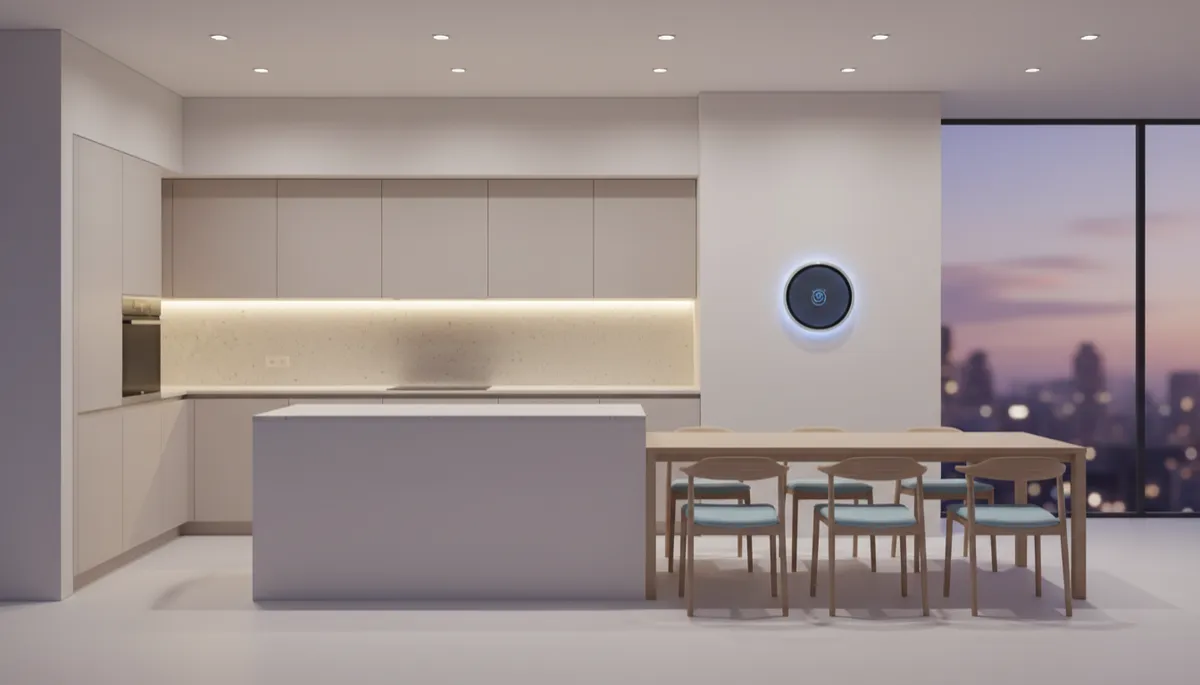
Thoughtful smart lighting and climate control make common spaces feel comfortable and high-end.
4. Whole-Home Wi‑Fi and Connectivity Upgrades
As more devices connect to the internet—from TVs and game consoles to thermostats and leak detectors—strong, reliable Wi‑Fi is practically a utility. Mesh Wi‑Fi systems that eliminate dead zones and upgraded wiring (like Ethernet to key rooms) support all those smart features buyers are excited about.
High-value choices: A modern router or mesh system and, where feasible, wired connections to home offices, media rooms, or smart TV hubs.
Why buyers care: With remote work, streaming, and gaming, “fast, reliable internet everywhere” is a must-have, not a perk.
5. Smart Water and Leak Management
Water damage is one of the costliest home disasters. Smart leak detectors near water heaters, washing machines, and under sinks can alert homeowners early—and some systems even shut off the main water line automatically. Outdoor, weather-based irrigation controllers also save water and keep landscaping healthier.
High-value choices: Whole-home leak detection systems, shut-off valves, and a smart sprinkler controller in climates where irrigation matters.
Why buyers care: Preventing one major leak can save thousands of dollars—and that’s an easy story to tell during a showing.
6. EV Chargers and Future-Friendly Garages
With electric vehicles becoming mainstream, a Level 2 EV charger in the garage is quickly moving from “nice perk” to “strong selling feature,” especially in urban and suburban markets. It signals that the home is ready for the next decade of transportation trends.
High-value choices: A professionally installed EV charger or at least upgraded electrical capacity to support one.
Why buyers care: It’s a visible sign your home is prepared for future tech and can be a deciding factor for EV owners.
Smart Home Upgrades That Don’t Add Much Value
Not every connected device moves the needle on resale value. Some upgrades are fun for you but feel like clutter—or even a burden—to the next owner. Before you splurge, consider whether the feature is:
Universal (useful to most people) or highly personal.
Simple to understand, or something that requires a 20‑minute tutorial.
Easy to maintain, or dependent on subscriptions and proprietary apps.
1. Overly Niche Smart Appliances
A Wi‑Fi‑enabled fridge that tracks groceries or a smart oven that scans barcodes can be convenient—but they rarely sway buyers. Appliances are also highly brand- and style-specific. A future buyer may value the stainless finish or size far more than the built‑in touchscreen or recipe app.
Might be worth it if: You’ll enjoy using them every day and plan to stay in your home for several years.
Unlikely to add value: Expensive, app-heavy features that become outdated quickly or require ongoing subscriptions.
2. Hyper-Specific Smart Entertainment Systems
Whole-house audio and cleanly wired media rooms can be appealing, but complex, custom setups with racks of equipment, proprietary remotes, and ceiling speakers in every room often don’t recoup their cost. Streaming sticks and soundbars have made it easy for buyers to bring their own entertainment ecosystem anyway.
Might be worth it if: You’re a serious movie or music lover and will personally enjoy a dedicated theater or listening room.
Unlikely to add value: Complex, custom-programmed control systems that intimidate non‑techy buyers.
3. Flashy Lighting and “Wow” Gadgets
Color‑changing accent lights, voice‑activated faucets, smart mirrors with built‑in displays—these can be fun, but they’re not must‑haves. In some cases, they can even date your home quickly, the same way certain once‑trendy finishes now scream a specific decade.
Might be worth it if: You enjoy the novelty and see it as part of your decor, not an “investment.”
Unlikely to add value: Anything that feels like a toy rather than a tool—especially if it requires frequent app updates or troubleshooting.
4. Locked-Down, Single-Brand Ecosystems
A home that only works properly if you stay with one specific brand or subscription service can be a red flag. As interoperability standards like Matter expand by 2026, buyers will expect different brands to work together smoothly. Systems that fight that trend may feel outdated faster.
Might be worth it if: You’re deeply invested in one ecosystem and plan to stay long term.
Unlikely to add value: Proprietary hubs that don’t play well with other platforms and will frustrate buyers who prefer choice.
How to Choose the Right Smart Upgrades for Your Home
To get the most from your budget, think like both a homeowner and a future buyer. A few guiding questions can help you filter options:
Does it solve a real problem? Security, energy savings, and connectivity usually pass this test. A smart mug warmer might not.
Is it easy to explain? If you can’t describe how it works in one or two sentences during a showing, it may be too complex to add value.
Will it still feel relevant in five years? Devices that rely on open standards and common platforms have a better chance of aging gracefully than niche gadgets tied to one app.
📌 Key Takeaway: The best smart upgrades are almost invisible. They quietly make your home safer, cheaper to run, and easier to live in—without demanding constant attention.
Bringing It All Together: A Simple Smart-Home Plan
If you’re starting from scratch and thinking about resale, a balanced plan might look like this:
Begin with a smart lock and video doorbell for instant curb appeal and peace of mind.
Add a reputable smart thermostat and a few smart dimmers in high-traffic rooms.
Upgrade to mesh Wi‑Fi and consider basic leak detection in risk-prone areas.
If it fits your lifestyle, include an EV charger or at least prep the electrical for one.
This mix hits the sweet spot: it showcases your home as modern and efficient without overwhelming buyers with tech for tech’s sake.
Final Thoughts: Invest in Everyday Value, Not Just Gadgets
Smart home technology is evolving quickly, with AI, improved interoperability, and energy efficiency shaping what buyers will expect by 2026 (TechHive, IoT For All, TechRadar). You don’t need to chase every trend to keep up. Instead, focus on upgrades that:
Make your home safer and more secure.
Reduce ongoing costs through energy or water savings.
Improve daily convenience without adding complexity.
When you use those criteria, the line between smart upgrades that increase value and those that don’t becomes much clearer. Invest in the quiet, hardworking systems that future buyers will thank you for—and feel free to enjoy the fun, flashy gadgets as long as you treat them as what they are: personal luxuries, not guaranteed returns.
Would you like me to provide our recommendations for a particular service provider? Just call or text me (817)381-5123.
Get your COMPLIMENTARY Home Valuation and Home Selling Guide at timbeary.realtor