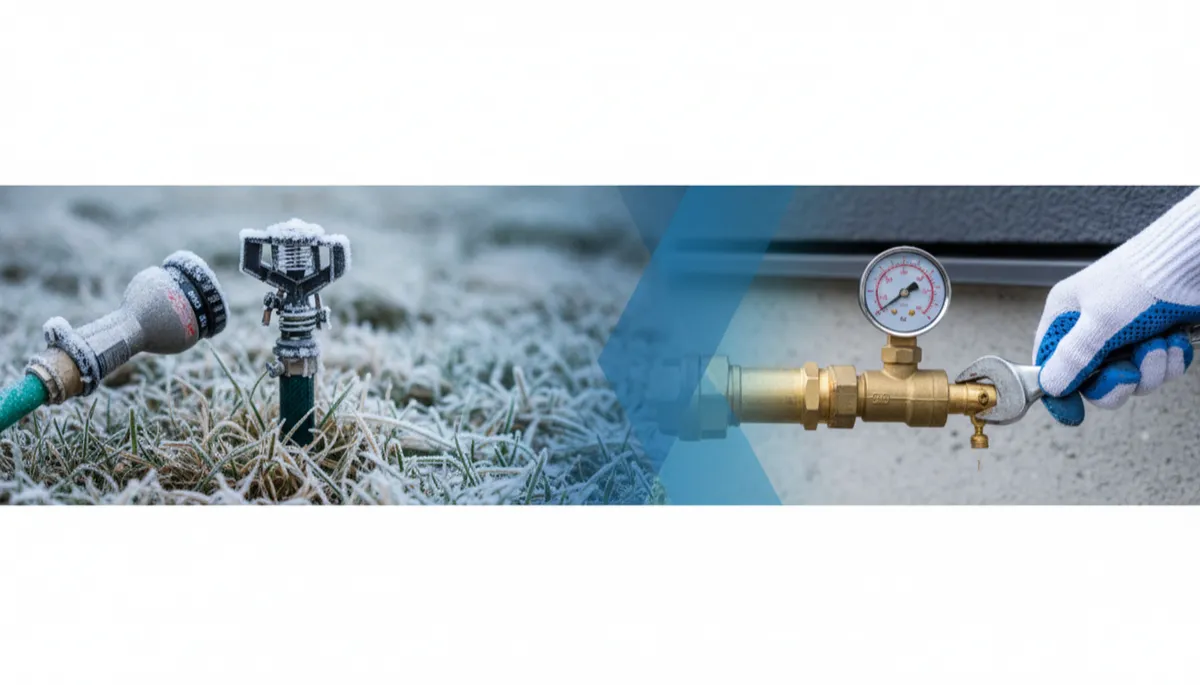
Sprinkler Winterization: Prevent Costly Freeze Damage
Home Maintenance, Sprinkler Winterization
Sprinkler Winterization: Don’t Let a Freeze Cost You Thousands
A hard freeze can turn the water in your sprinkler system into expanding ice, cracking pipes, valves, and backflow preventers in a single night. Proper sprinkler winterization is a simple, once-a-year step that can save you thousands of dollars in repairs and water damage.
Why Sprinkler Winterization Matters So Much
When temperatures dip below freezing, any water left inside your sprinkler lines begins to turn to ice. As water freezes, it expands with surprising force. That pressure has nowhere to go but outward, which is why unwinterized systems often end up with split pipes, shattered fittings, and ruined backflow preventers by springtime.
The real danger is that most of this damage happens underground or inside metal housings where you cannot see it. You might not realize anything is wrong until you turn your sprinklers back on and notice low pressure, soggy spots in the yard, or water pouring out from a cracked backflow device. By then, the damage is done—and the repair bill can be steep.
Don’t Let a Freeze Cost You Thousands
It’s easy to underestimate how expensive sprinkler damage can be. A single cracked backflow preventer can run several hundred dollars to replace, and that’s before labor. If multiple zones are affected, you might be looking at:
Broken PVC or poly lines that require trenching and replacement
Damaged valves and manifolds hidden in underground boxes
Water damage near foundations, driveways, or basements from undetected leaks
Add in the cost of wasted water from leaks that go unnoticed for weeks, and it’s clear how skipping winterization can easily climb into the thousands of dollars. By contrast, having your system properly winterized is usually a modest, predictable service fee once a year—often less than what you might spend on a nice dinner out.
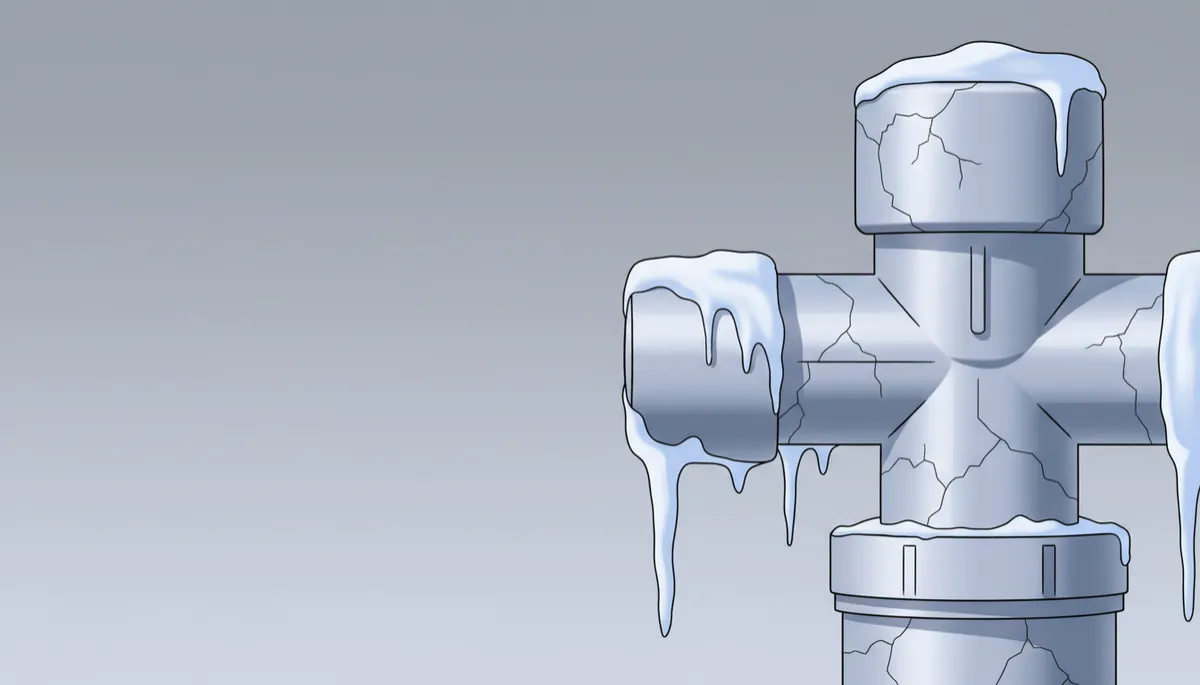
One unprotected freeze can destroy a backflow preventer and multiple lines at once.
What Sprinkler Winterization Actually Involves
Many homeowners hear “winterization” and imagine a complicated, mysterious process. In reality, sprinkler winterization is straightforward when done by a professional, and it usually takes less than an hour for a typical yard. The goal is simple: remove or isolate every bit of water that could freeze inside the system.
Shutting off the water supply: The technician locates and closes the main sprinkler shutoff valve, usually in the basement, crawlspace, or an outdoor pit.
Draining or blowing out lines: They open drain valves or connect an air compressor to push remaining water out through the sprinkler heads, zone by zone.
Protecting the backflow preventer: Exposed parts are drained, set to the proper winter positions, and sometimes insulated for extra protection.
Preparing the controller: The sprinkler timer is set to “off” or a dedicated winter mode so it doesn’t try to run while the system is dry.
When done correctly, there should be no standing water left in the lines that can freeze and expand. That’s the entire point of sprinkler winterization—and it’s why this one appointment can prevent so much damage.
Can You Winterize Sprinklers Yourself?
Handy homeowners sometimes attempt DIY winterization, especially if their system has built-in drain valves. While it’s possible, there are a few risks to keep in mind:
Missing a low spot or hidden section of pipe where water can collect and freeze
Using an undersized or oversized air compressor and accidentally damaging components
Forgetting to protect the backflow preventer, which is one of the most expensive parts of the system
💡 Pro Tip: If you do choose to DIY, have a professional walk you through the process at least once. A short visit now can help you avoid costly mistakes later.
When to Schedule Your Winterization Service
The best time to winterize is before overnight temperatures consistently drop below freezing. For many regions, that means sometime between late September and early November. Waiting until the first hard freeze is risky; one unexpected cold snap is all it takes to do permanent damage.
Consider putting winterization on your yearly calendar, right alongside tasks like furnace checkups, gutter cleaning, and swapping out smoke detector batteries. Treat it as a standard part of owning a home with an in-ground sprinkler system, not an optional extra.
A Simple Step for Peace of Mind All Winter
Sprinkler winterization may not be the most exciting item on your fall to-do list, but it’s one of the most cost-effective. By investing a little time and money now, you dramatically reduce the chance of waking up to a flooded yard, a broken backflow preventer, or a repair estimate that blows your budget in the spring.
Don’t let a freeze cost you thousands. Schedule your sprinkler winterization before the cold sets in, and enjoy the winter months knowing your system is safely tucked in until next season. Your lawn—and your wallet—will thank you when warmer weather returns and your sprinklers start up without a hitch.
Would you like me to provide our recommendations for a sprinkler system professional? Just call or text me (817)381-5123.
Get your COMPLIMENTARY Home Valuation and Home Selling Guide at timbeary.realtor