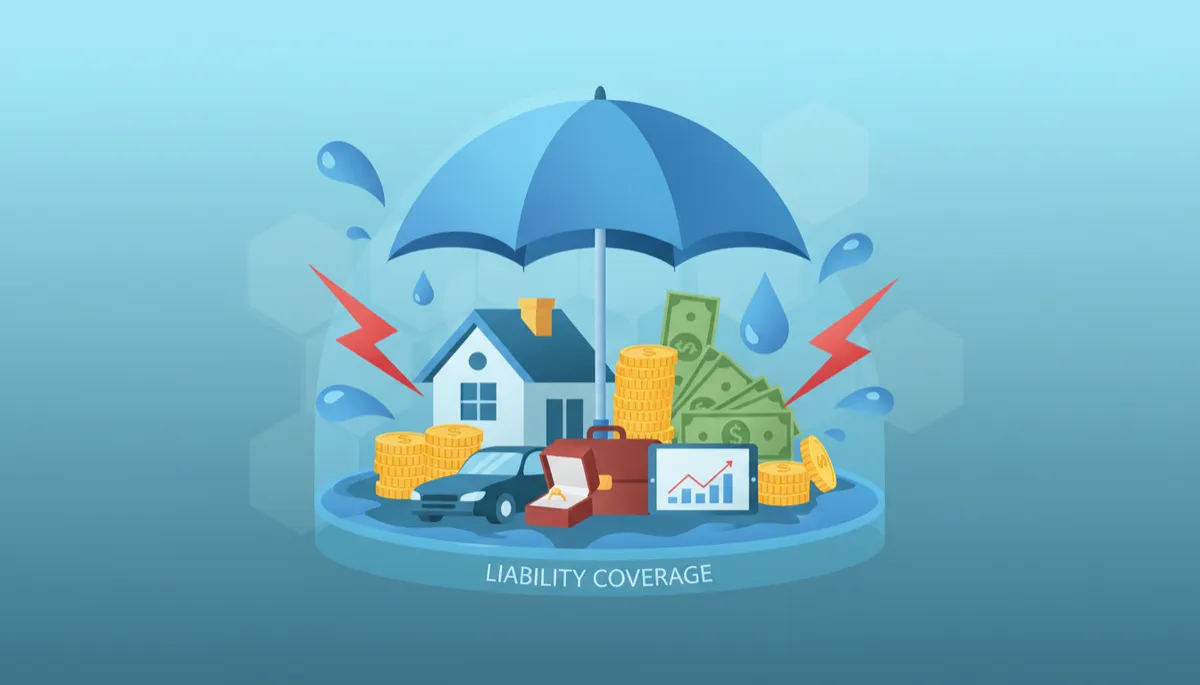
Umbrella Policies: Protecting Assets Beyond Home
Personal Finance, Asset Protection, Insurance
Umbrella Policies and Liability Coverage: Protecting Assets Beyond the House
Your home insurance may feel like a solid safety net, but major accidents, lawsuits, or unexpected claims can punch right through standard coverage limits. That’s where umbrella policies and strong liability coverage step in, quietly protecting your savings, income, and future from life’s worst‑case scenarios.
What Is an Umbrella Policy?
An umbrella policy is extra liability insurance that sits on top of your existing coverage. Think of your auto, homeowners, or renters insurance as the first layer. If a claim exceeds those policies’ liability limits, your umbrella policy can step in and cover the remaining amount, up to its own limit.
Most umbrella policies start at $1 million in coverage and can go much higher. Despite the large protection, they are often surprisingly affordable because they only pay out in rare, high‑severity situations. In exchange for a modest annual premium, you gain a powerful shield against large legal judgments or settlements.
Understanding Liability Coverage in Everyday Life
Liability coverage pays when you are legally responsible for injuring someone or damaging their property. It does not repair your own belongings; instead, it protects you from claims made against you. You already have some liability protection built into:
Auto insurance – covers injuries or damage you cause in a car accident.
Homeowners or renters insurance – covers injuries on your property or damage you accidentally cause to others.
The challenge is that standard liability limits—often $100,000–$300,000—can be exhausted quickly in serious situations. Medical bills, lost wages, and legal fees add up fast. If the total judgment is higher than your policy limit, you may be personally responsible for the difference.
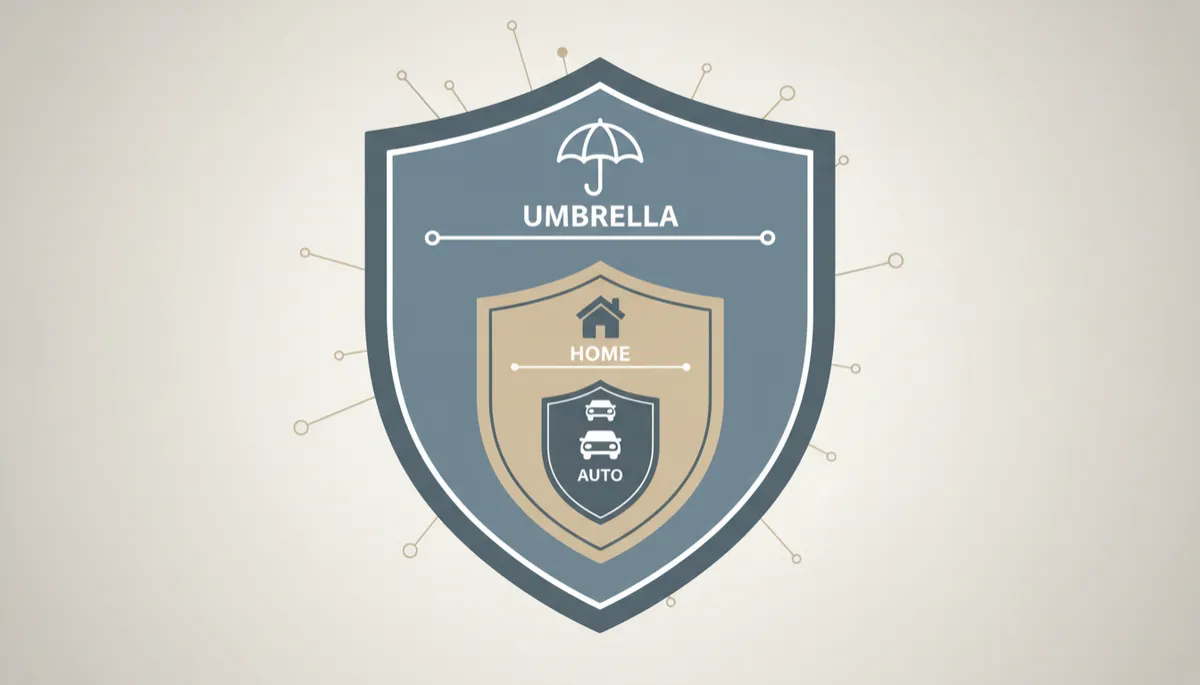
Umbrella insurance adds a final protective layer when basic liability limits are exceeded.
Protecting Assets Beyond the House
Your “assets” are more than your home’s value. They include your savings, investments, vehicles, rental properties, and even your future income. In a serious lawsuit, a court can allow wages to be garnished or liens to be placed on property if insurance does not fully cover the judgment.
Umbrella coverage is designed to protect this bigger picture. Consider situations such as:
A serious car accident where multiple people are injured and sue for damages.
A guest slipping on your icy driveway and facing long‑term medical treatment.
Your teenager posting something online that leads to a personal injury claim, such as defamation.
In each case, once your auto or home policy hits its liability limit, your umbrella policy can help cover the rest, shielding your bank accounts and long‑term plans from being derailed.
💡 Pro Tip: When deciding how much umbrella coverage you need, add up your home equity, investments, savings, and future income potential. Aim for a limit that comfortably exceeds that number.
Who Should Consider an Umbrella Policy?
Umbrella insurance is valuable for many households, not just high‑net‑worth families. You may want to explore it if you:
Own a home, rental property, pool, trampoline, boat, or dog.
Have significant savings or investments you want to protect.
Have teenagers who drive, host friends, or are active on social media.
Taking the Next Step
Start by reviewing the liability limits on your current auto and home or renters policies. Then, speak with a licensed insurance professional about how an umbrella policy could coordinate with what you already have. A short conversation can reveal gaps you didn’t realize existed—and show how a relatively small premium can protect everything you’ve worked so hard to build.
With over 20 years of experience, I have several Insurance Agents that my clients have given rave reviews. I’m happy to share their information with you. Just call or text me (817)381-5123.
Get your COMPLIMENTARY Home Valuation and Home Selling Guide at timbeary.realtor