
Weatherproof Your Home: Winter Window & Door Tips
Home Improvement, Winter Prep
Weatherproofing Windows and Doors Before Winter Hits
A few simple weekend projects can make your home warmer, cut heating bills, and prevent cold-weather damage. Here’s how to weatherproof windows and doors before temperatures plunge.
Start With a Simple Draft Check
Before you buy supplies, find out exactly where cold air is sneaking in. On a chilly or windy day, walk slowly around your home and check every window and exterior door. Run the back of your hand along the edges and frames; if you feel cool air, you’ve found a draft. You can also use a lit stick of incense or a candle—if the smoke or flame flickers or pulls in one direction, air is leaking through a gap that needs attention.
Practical Ways to Seal Drafty Windows
Windows are one of the biggest sources of heat loss, especially in older homes. The good news is that most fixes are affordable and can be done without professional help. Here are practical tips that make a noticeable difference in comfort and energy use.
Apply weatherstripping to moving parts. For windows that open, self-adhesive foam or rubber weatherstripping along the sash and frame helps close small gaps. Clean the surface first, measure carefully, and press the strip firmly into place so the window still opens and closes smoothly.
Use caulk on fixed gaps and cracks. Around the outside of the window, look for cracks where the frame meets the siding or brick. Flexible exterior-grade caulk can seal these openings and keep out cold air and moisture. Indoors, paintable caulk works well along trim and baseboards where you see visible gaps.
Install window insulation film. Clear plastic window film kits create an almost invisible barrier over the entire window. When you shrink the film with a hair dryer, it tightens and traps a layer of insulating air. This is an excellent option for older single-pane windows, basement windows, or rooms you don’t open often in winter.
Add thermal curtains or liners. Thick, lined curtains add another layer between the cold glass and your living space. Close them at night to hold in heat, and open them on sunny days to let in natural warmth. For a quick upgrade, clip-on thermal liners can be added behind your existing curtains.
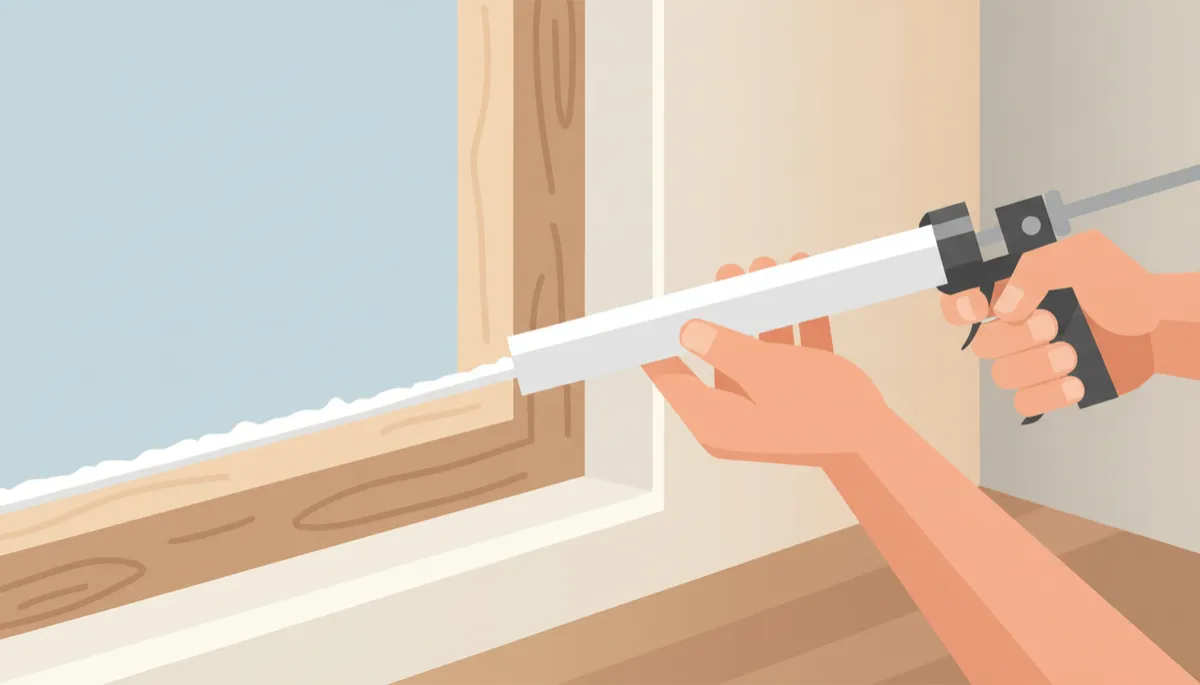
A careful bead of caulk can stop drafts and protect trim from moisture.
Weatherproofing Exterior Doors for a Snug Fit
Doors are another common weak spot. Even a tiny gap around a door can let in enough cold air to make a room feel chilly and force your heating system to work harder. Focus on three main areas: the sides, the top, and the bottom of the door.
Replace worn weatherstripping. If you can see daylight around the edges of a closed door, the existing weatherstripping is likely compressed, torn, or missing. Peel-and-stick foam, V-strip, or rubber weatherstripping along the jamb creates a tighter seal and is simple to install with basic tools.
Install or upgrade a door sweep. The gap at the bottom of the door can be a major source of drafts. A door sweep or automatic door bottom seals this space while still allowing the door to open easily. For a quick, budget-friendly fix, a draft stopper or “door snake” placed along the floor can help, especially for interior doors leading to colder areas like garages or porches.
Check the threshold and frame. Loose screws, warped thresholds, and cracked caulk around the frame all create pathways for cold air. Tighten hardware, adjust the threshold so it meets the door evenly, and re-caulk any gaps where the frame meets the floor or wall.
💡 Pro Tip: Close yourself inside on a sunny day and look for light shining around the door edges—where you see light, you’re also losing heat.
Don’t Forget Locks, Latches, and Hardware
Sometimes, the problem isn’t the seal itself but how well the window or door closes. Loose hinges, misaligned latches, and warped frames can prevent a tight fit, leaving tiny gaps that let in cold air. Tighten screws, lubricate moving parts, and adjust strike plates so doors and windows close firmly and evenly. These small maintenance tasks help your other weatherproofing efforts work as intended.
Extra Protection for Older Homes and Problem Areas
If you live in an older home or in a region with harsh winters, consider a few additional measures. Storm windows and storm doors add another layer of glass and air, significantly improving insulation. Removable interior panels made from clear acrylic or glass can provide similar benefits in a more subtle way. For basement windows, foam board insulation cut to size and fitted behind curtains can help block the worst of the cold in seldom used spaces.
📌 Key Takeaway: Focus your time and budget on the draftiest rooms first—often living rooms, bedrooms, and entryways—so you feel the biggest comfort boost right away.
A Warmer, More Efficient Home All Winter Long
Preparing your windows and doors before winter hits doesn’t have to be overwhelming. By combining a careful draft check with practical fixes like weatherstripping, caulking, insulation film, and upgraded door sweeps, you can dramatically reduce heat loss and cold spots. These straightforward projects help homeowners stay comfortable, protect their homes from moisture damage, and keep energy bills under control when temperatures drop. Set aside a weekend or two in autumn, gather a few basic supplies, and you’ll be ready to face winter with a warmer, more efficient home.
Would you like me to provide our recommendations for a particular service provider? Just call or text me (817)381-5123.
Get your COMPLIMENTARY Home Valuation and Home Selling Guide at timbeary.realtor